Free AGACNP-BC sample questions
Real questions from the Adult-Gerontology Acute Care Nurse Practitioner practice bank, with the correct answer and an explanation for each one. No junk, no filler.
Try them in the simulator Same questions, with study, timed and flashcard modes.
Showing 6 of 12 free sample questions.
A critically ill 64-year-old male with septic shock secondary to hospital-acquired pseudomonal pneumonia is prescribed intravenous piperacillin-tazobactam. The AGACNP orders an extended infusion protocol. Which pharmacokinetic-pharmacodynamic (PK/PD) index best predicts bactericidal efficacy and clinical eradication for beta-lactam antimicrobials?
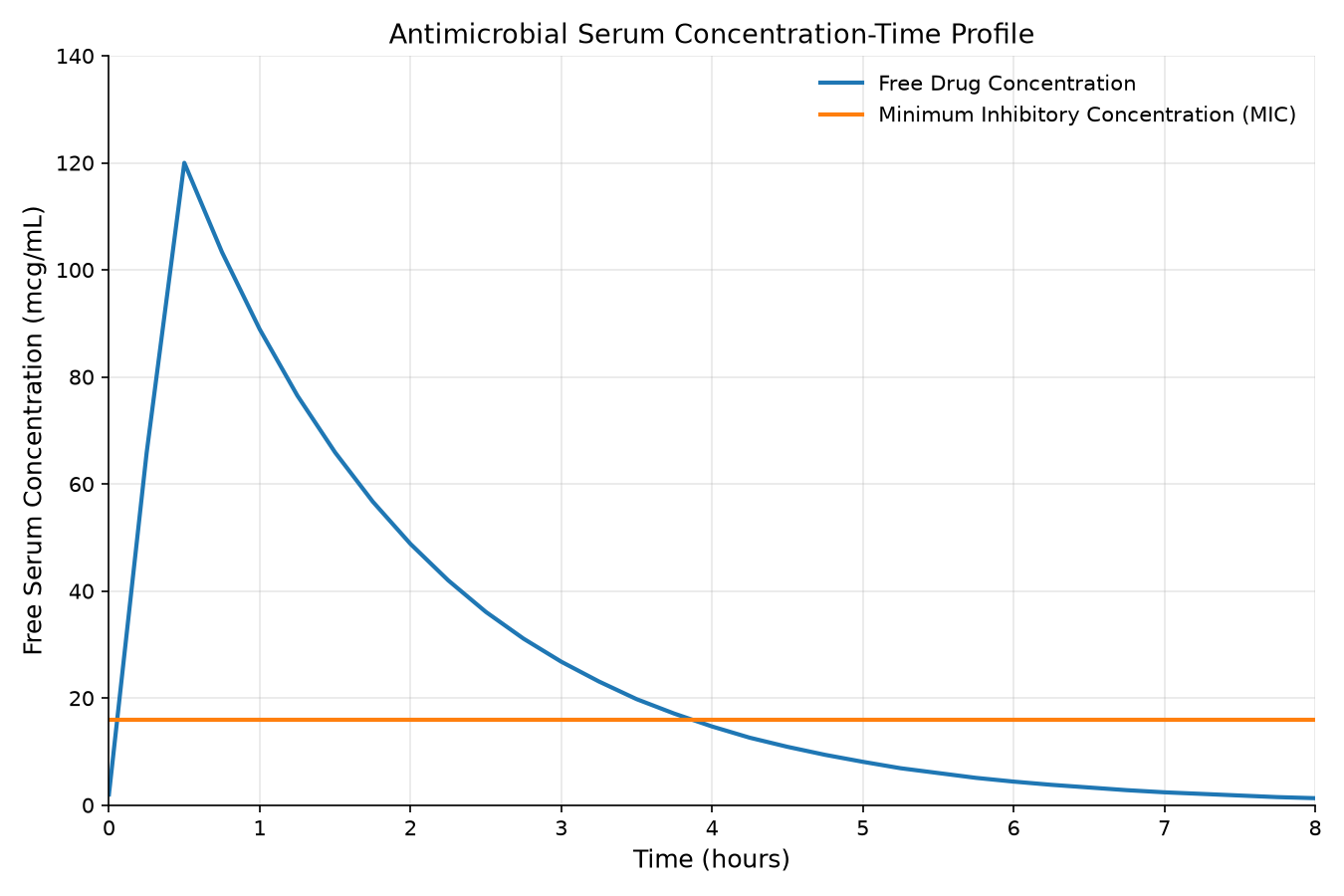
A 23-year-old male polytrauma patient with severe traumatic brain injury and multiple extremity fractures exhibits persistently subtherapeutic vancomycin troughs despite standard high-dose therapy. A 24-hour measured creatinine clearance reveals 195 mL/min/1.73 m2, confirming augmented renal clearance (ARC). Which TWO clinical factors most frequently drive augmented renal clearance in critically ill acute care patients? (Select TWO)
A 56-year-old male with decompensated alcoholic cirrhosis and spontaneous bacterial peritonitis has a serum albumin level of 1.7 g/dL. When administering highly protein-bound antimicrobials or antiepileptics (such as ceftriaxone or phenytoin), which pharmacokinetic consequence directly results from this patient's severe hypoalbuminemia?
During morning rounds in the cardiac intensive care unit, an AGACNP performs a cardiovascular physical assessment on a 72-year-old patient with end-stage heart failure. Which combination of bedside physical findings most specifically reflects advanced cardiogenic hypoperfusion (the "cold" clinical phenotype)?
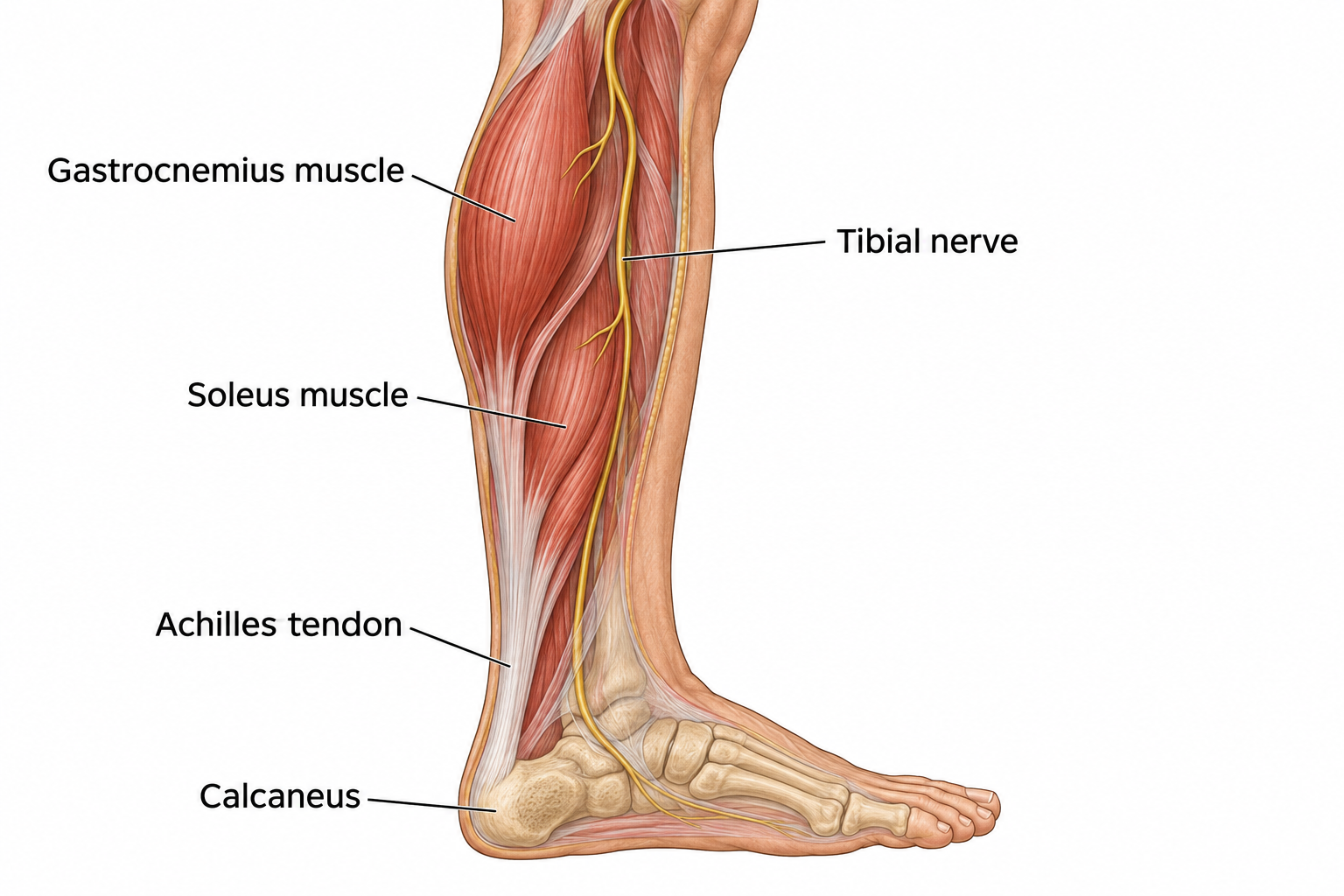
An AGACNP evaluates an acute spinal cord injury patient in the neuro-intensive care unit. While assessing deep tendon reflexes and upper motor neuron pathway integrity, the practitioner tests for ankle clonus. Which examination technique correctly elicits this physical sign?
6 more free samples are waiting
Create a free account to unlock the whole AGACNP-BC sample bank, or get full access to all 143 practice questions in the simulator.